Strategic Uses of Word Search Game Book for Kids in Educational and Creative Projects
The Word Search Game Book for Kids is more than just a collection of puzzles—it's a structured tool that can support learning, creativity, and planning when used intentionally. Whether you're an educator, content creator, or independent publisher, understanding how to integrate this resource into your workflow can lead to better outcomes, especially when preparing materials for platforms like Kindle Direct Publishing (KDP).
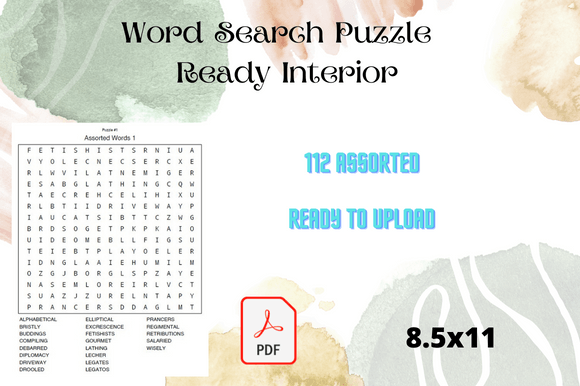
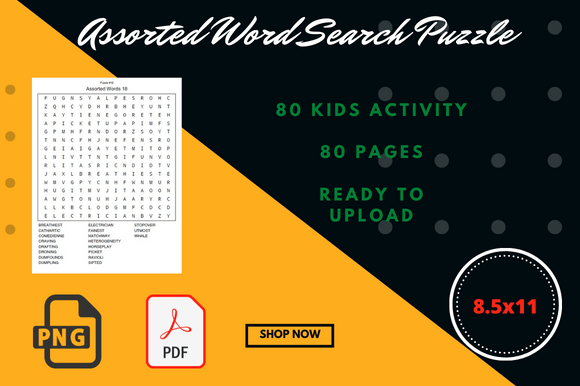
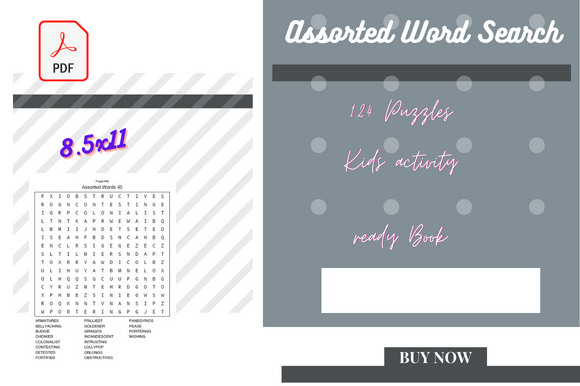
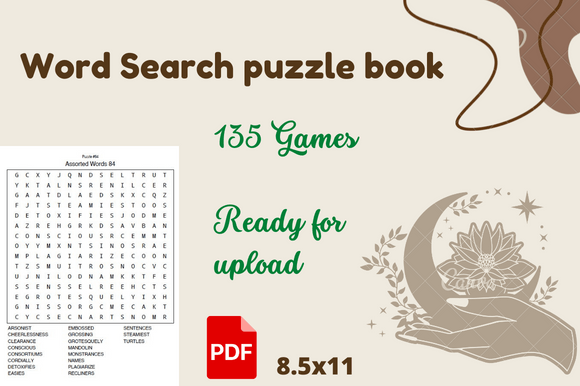
At its core, the Word Search Game Book for Kids contains 128 puzzles spread across 135 pages, formatted for 8.5" x 11" trim size with no bleed. Each puzzle is presented one per page, making it ideal for printing and digital publishing. The file is ready to upload as an interior file for KDP, allowing creators to focus on branding, cover design, and marketing rather than layout and formatting.
Why the Word Search Game Book for Kids Matters for Strategic Planning
When building educational content, activity books, or supplementary learning materials, time and consistency are critical. The Word Search Game Book for Kids provides a ready-made structure that aligns with common publishing standards. This means creators can shift focus from content generation to strategic positioning, audience targeting, and value delivery.
For example, educators can use the book as a foundation for curriculum-aligned activity packs. Independent authors can bundle it with other resources to create premium content offerings. And small publishers can streamline their production process by relying on pre-formatted, tested interiors that meet KDP specifications.
Aligning the Word Search Game Book for Kids with Business Goals
Using the Word Search Game Book for Kids without a clear objective can lead to wasted effort and diluted results. However, when aligned with specific business or educational goals, it becomes a strategic asset. Consider the following scenarios:
- An online tutor creates a downloadable activity pack for early readers, using the puzzles as a supplement to phonics and vocabulary lessons.
- A children's book author bundles the word search book with a story collection to offer a more engaging reading and learning experience.
- A homeschooling co-op uses the book as part of a printable resource kit, reducing prep time for parents while maintaining educational value.
In each case, the Word Search Game Book for Kids is not just filler content—it's a purposeful component of a larger offering.
When to Use the Word Search Game Book for Kids and What to Consider
While the Word Search Game Book for Kids offers convenience, it’s important to assess whether it fits your project's scope and audience. Here are key considerations:
- Audience Alignment: Is your target audience in the 5–12 age range? Do they benefit from vocabulary development or cognitive exercises? If so, the puzzles can serve as both entertainment and learning tools.
- Content Integration: How will the puzzles complement your other materials? Will they reinforce concepts, provide breaks between reading sections, or act as standalone activities?
- Brand Positioning: Does the use of pre-formatted puzzles align with your brand image? If you're positioning yourself as a premium educational resource provider, ensure the design and structure of the final product reflect that standard.
Also, consider the need for customization. The Word Search Game Book for Kids includes no cover, so your branding must be strong enough to differentiate your offering in a competitive marketplace.
Maximizing Value Through Intentional Use
Using the Word Search Game Book for Kids effectively requires more than just uploading the file to KDP. Strategic creators will consider the following steps:
- Bundle Strategically: Combine the puzzles with original content such as lesson plans, answer keys, or themed stories to increase perceived value.
- Add a Professional Cover: Invest time or budget into designing a cover that reflects the educational value of the interior content.
- Optimize Metadata: Use relevant keywords in your book title, description, and tags to improve visibility on Amazon and other platforms.
- Test Before Publishing: Ensure the file prints correctly and that the puzzles are age-appropriate for your intended audience.
These steps help transform a ready-made interior into a polished, market-ready product that supports your goals.
Common Pitfalls and How to Avoid Them
One of the most common mistakes with resources like the Word Search Game Book for Kids is treating them as standalone offerings without adding value. Simply republishing a puzzle book without customization or context may lead to poor sales and negative reviews.
Another risk is underestimating the importance of formatting and design. While the interior is KDP-ready, the absence of a professionally designed cover can make your book blend in with generic offerings, reducing its appeal.
Finally, avoid the temptation to overuse or underutilize the content. If you're targeting a niche audience, ensure the puzzles are relevant and engaging. If you're building a broad resource library, consider how the Word Search Game Book for Kids fits into your long-term content strategy.
Planning for Long-Term Impact
When used as part of a broader content strategy, the Word Search Game Book for Kids can support long-term engagement and brand development. Consider how the puzzles can be reused, updated, or expanded over time to maintain relevance and continue delivering value.
For example, you might release seasonal variations (e.g., holiday-themed word searches), create companion workbooks, or integrate the puzzles into a subscription-based learning platform. These approaches help sustain interest and build a loyal audience.
Final Thoughts: Making the Most of the Word Search Game Book for Kids
The Word Search Game Book for Kids is a practical, time-saving tool that can enhance your publishing efforts when used strategically. Whether you're an educator, creator, or small business owner, the key is to integrate it thoughtfully into your offerings—aligning it with your goals, audience needs, and brand positioning.
By planning carefully, customizing where necessary, and avoiding common pitfalls, you can turn a simple puzzle book into a valuable resource that supports learning, creativity, and engagement. The result is not just a product but a purposeful tool that delivers real value to your audience and contributes to your long-term success.