Strategic Uses of the Matching Game: Match Halves of Objects for Professional Development and Creative Planning
Understanding the Matching Game: Match Halves of Objects
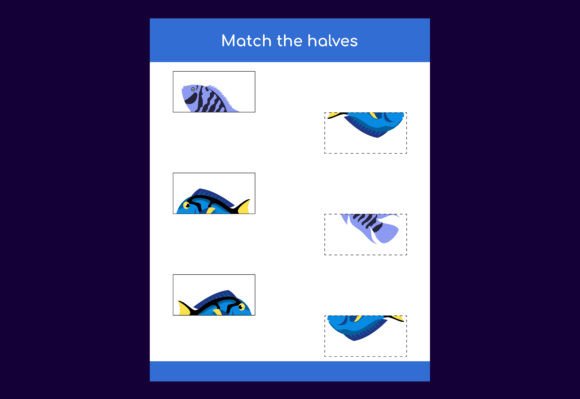
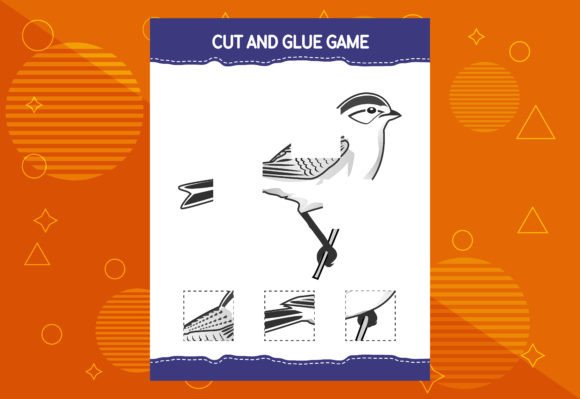
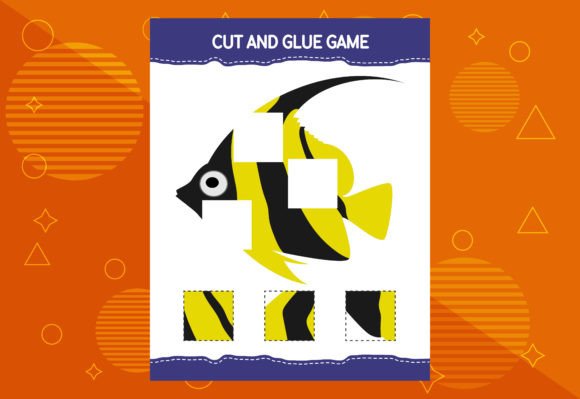
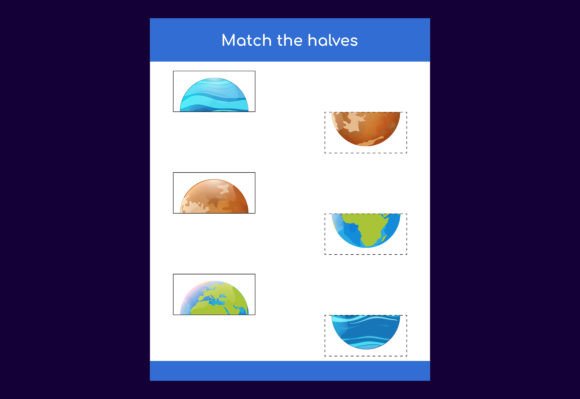
The Matching Game: Match Halves of Objects is more than a simple educational tool for children. At its core, this game encourages pattern recognition, attention to detail, and visual discrimination—skills that remain valuable well into adulthood. Originally designed as a cognitive development activity, the game involves pairing halves of familiar objects, testing a player’s ability to visually reconstruct whole items from fragmented parts. While commonly used in early childhood education, its strategic application extends into professional environments, especially when adapted for creative thinking, team collaboration, and problem-solving exercises.
What makes the Matching Game: Match Halves of Objects particularly useful is its flexibility. The game can be customized to reflect industry-specific imagery, brand elements, or even conceptual frameworks. Its vector-based format—offering EPS and high-resolution JPG files—ensures scalability without loss of quality, making it suitable for both print and digital use. Whether used in training materials, brainstorming sessions, or marketing collateral, this adaptable resource supports a wide range of strategic applications.
How the Matching Game Supports Strategic Thinking and Planning
At first glance, matching halves of objects may seem like a simple exercise. However, when applied thoughtfully, it becomes a tool for reinforcing strategic thinking. The process of identifying patterns, making connections, and drawing conclusions mirrors the decision-making frameworks used in business planning, marketing strategy, and creative ideation.
For example, a marketing team could use a customized version of the Matching Game: Match Halves of Objects to reinforce brand recognition. By splitting brand assets—such as logos, color schemes, or product visuals—into halves, team members are encouraged to recall and reconstruct brand elements from memory. This not only strengthens internal brand knowledge but also sharpens attention to detail, a crucial skill in content creation and campaign execution.
- Supports visual learning and memory retention
- Encourages logical reasoning and pattern identification
- Builds attention to detail and precision
- Enhances problem-solving through visual reconstruction
Practical Applications Across Industries
The Matching Game: Match Halves of Objects is not limited to educational settings. It can be strategically repurposed across various professional fields:
- Education and Training: Instructors can use the game to reinforce lesson content, especially in visual learning environments. Customizable vector files allow educators to create tailored versions for specific subjects, from anatomy to design principles.
- Marketing and Branding: Teams can use object halves to test familiarity with brand assets, ensuring consistency across campaigns and touchpoints. It can also serve as an engaging activity during brand workshops or internal training sessions.
- Product Development: Designers and product teams can use the game to explore component relationships—such as matching product features with customer needs or aligning design elements with user expectations.
- Team Building: When adapted for group settings, the game becomes a collaborative challenge that encourages communication, teamwork, and shared problem-solving—all essential components of effective organizational culture.
When and How to Use the Matching Game Strategically
Not every situation calls for the Matching Game: Match Halves of Objects, but when used with intention, it can yield meaningful results. Consider the following scenarios as ideal opportunities for strategic deployment:
- During onboarding sessions to reinforce company values or visual brand guidelines
- In brainstorming workshops to encourage creative connections between ideas
- As part of a larger interactive presentation or training module
- Within marketing materials to engage audiences in a tactile or digital format
When implementing the game, it’s essential to define clear objectives. Are you aiming to improve memory retention, foster collaboration, or test visual understanding? Aligning the game’s structure with your goals ensures it contributes meaningfully to your broader strategy. Additionally, because the game comes in fully editable vector format, it’s easy to tailor for specific audiences or outcomes.
Key Considerations Before Implementing the Matching Game
While the Matching Game: Match Halves of Objects offers numerous strategic benefits, it’s not a one-size-fits-all solution. Before incorporating it into your workflow, consider the following factors:
- Audience familiarity: Ensure participants understand the basic premise of the game to avoid confusion or disengagement.
- Goal alignment: The game should serve a specific purpose—whether it's reinforcing learning, improving visual literacy, or enhancing team dynamics.
- Contextual relevance: Customize the content to reflect your industry, brand, or subject matter to maximize engagement and practical value.
- Scalability: Since the game includes high-resolution files, it can be adapted for both digital and print formats, but ensure that the medium aligns with your audience’s access and preferences.
Avoiding Common Pitfalls: Using the Game Without Purpose
One of the most common misuses of the Matching Game: Match Halves of Objects is treating it as a generic filler activity. Without clear goals or strategic context, it can become an empty exercise that fails to engage or educate. To avoid this, always begin with the end in mind. Ask yourself:
- What do I want participants to learn or retain?
- How does this activity support broader learning or business objectives?
- Can this game be adapted to reflect real-world scenarios or challenges?
- Is there a way to measure the effectiveness of this activity post-completion?
By anchoring the game in real-world applications and measurable outcomes, you ensure it contributes to long-term value rather than serving as a superficial engagement tactic.
Customization and Long-Term Value
One of the standout features of the Matching Game: Match Halves of Objects is its fully editable vector format. This allows users to tailor the game to their specific needs, whether for internal training, client engagement, or creative development. The ability to resize without loss of quality means the game remains effective across multiple platforms and applications.
For instance, a design agency might use the game to help clients understand the importance of visual harmony by matching halves of a balanced layout. A startup might use it to teach team members about product-market fit by pairing customer profiles with corresponding product features. The possibilities are limited only by your strategic imagination.
Conclusion: Using the Matching Game with Intention
The Matching Game: Match Halves of Objects is a versatile tool that, when used intentionally, supports a wide range of strategic goals. From enhancing visual learning and reinforcing brand knowledge to fostering collaboration and improving problem-solving skills, this game offers practical value beyond its simple appearance. Its high-quality, scalable format ensures that it can be adapted for both personal and professional use, making it a worthwhile investment for educators, marketers, designers, and strategists alike.
By approaching the game with a clear objective and a thoughtful plan, professionals can turn what might seem like a child’s exercise into a powerful tool for strategic development. Whether used in training, branding, or creative planning, the key is to align the game’s structure with your long-term goals—ensuring that every match made contributes to a larger, more meaningful outcome.